

By using our website, you agree to the use of cookies as described in our Cookie Policy
How Roof Trusses in Austin Help Speed Up Residential Builds
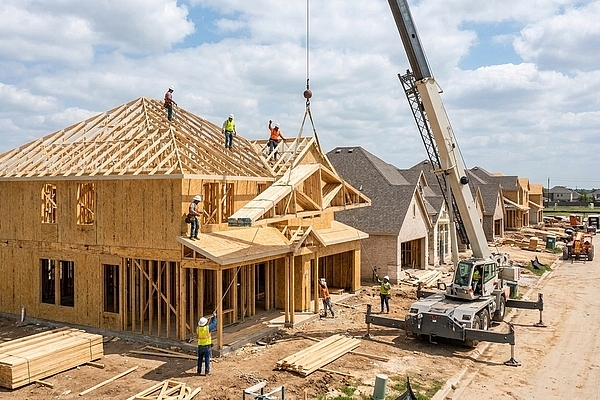
Most builders think trusses are just about convenience. Pre-fab, drop in, move on. But there's more happening under the surface — and if you're not paying attention, you're leaving time and money on the table. Trusses don't just hold up roofs. They reshape timelines, cut labor bloat, and keep projects moving when weather tries to shut you down. Especially in a market like Austin, where demand doesn't wait and delays cost real money.
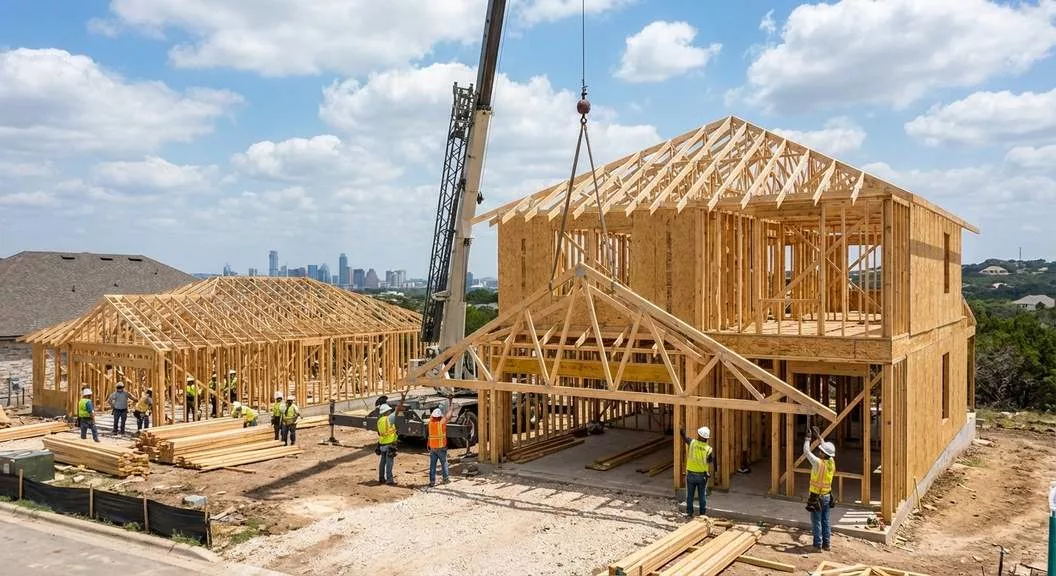
So here's what matters. If you're framing residential builds the old way, you're working harder than you need to. Trusses aren't a shortcut — they're a smarter system. Every piece arrives engineered. Every install happens faster. And every day saved on the roof is a day gained somewhere else on the schedule.
Stick Framing Eats Your Calendar
Traditional roof framing takes days. Sometimes weeks. You're measuring, cutting, fitting, adjusting — all on-site, all exposed to the elements, all dependent on crew skill and weather windows. One storm rolls through and you're covering lumber, rescheduling inspections, and watching your timeline slip.
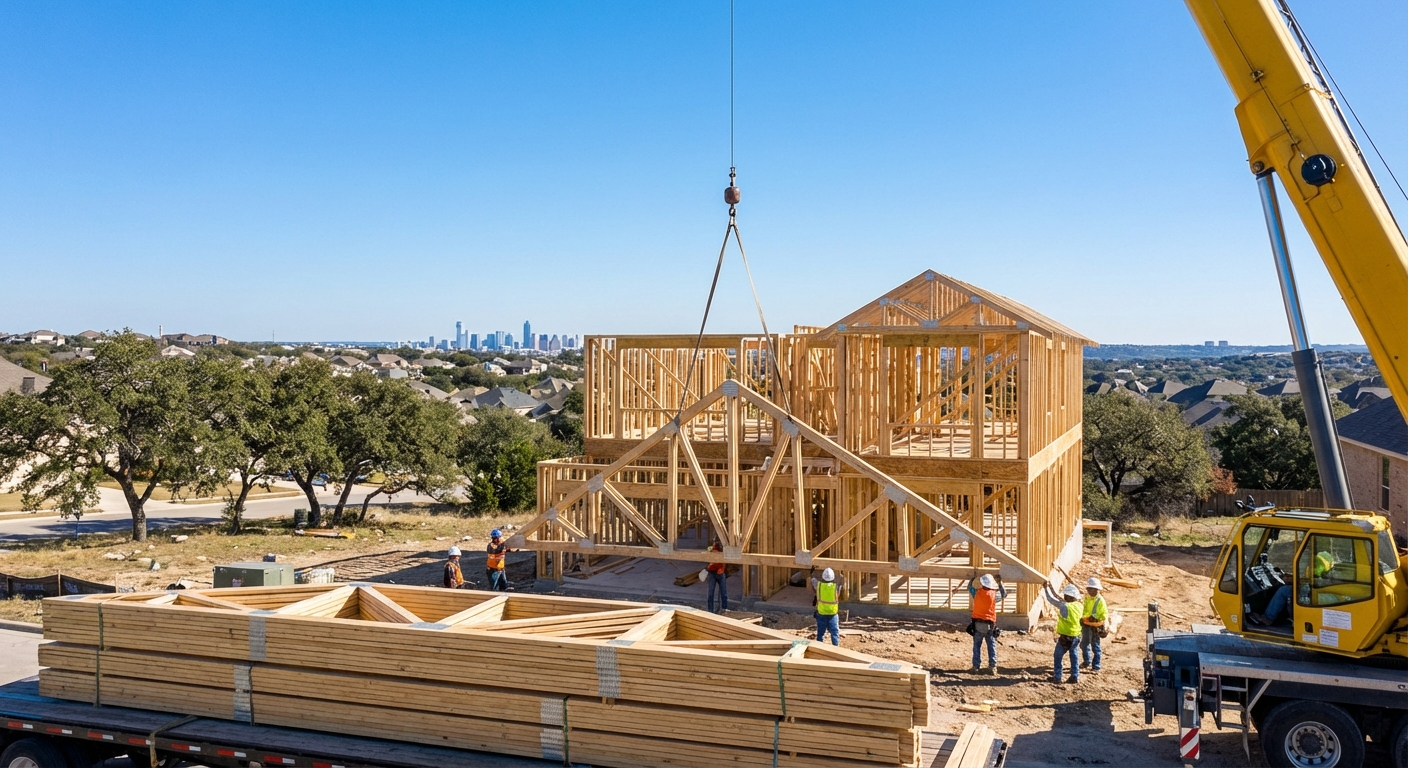
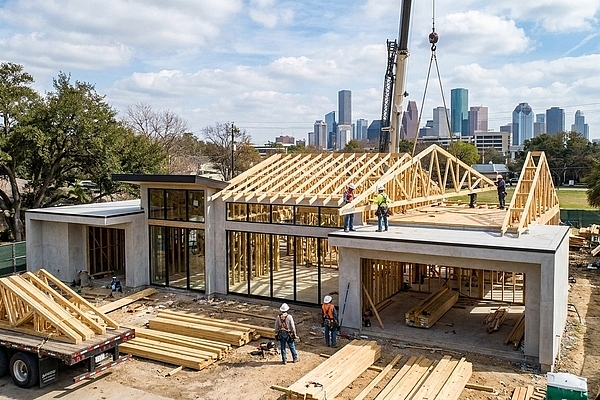
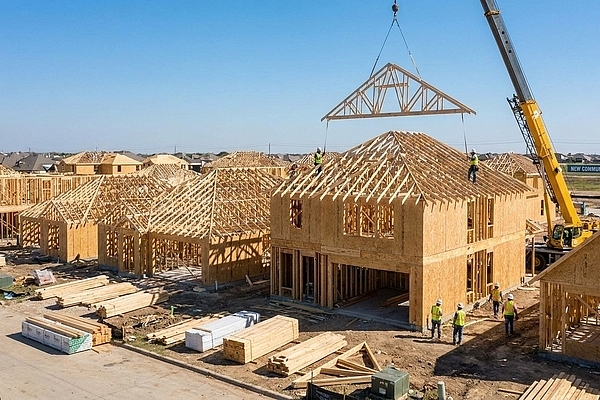
Trusses flip that script. They show up ready. A crew can set an entire roof system in hours, not days. That means less exposure to rain, fewer delays, and faster handoffs to the next trade. In Austin's unpredictable climate, that speed isn't just nice to have — it's the difference between staying on schedule and falling behind.
Factory Precision Beats Field Guesswork
When you're cutting rafters on-site, you're working with variables. Lumber inconsistencies. Human error. Weather conditions that warp materials before they're even installed. Trusses get built in controlled environments with CAD software and automated saws. Every angle is exact. Every connection is verified before it leaves the plant.
That precision means fewer adjustments during install. No shimming. No recutting. No surprises when the sheathing goes on. And when you're dealing with complex rooflines or custom designs — common in Austin's residential market — that level of accuracy keeps the build moving without constant problem-solving.
Labor Costs Drop When Installation Gets Easier
Skilled framers are expensive and hard to find. Trusses let you work with smaller crews and still hit aggressive deadlines. Installation doesn't require the same level of carpentry expertise as stick framing, which means you can deploy your best people where they're needed most.
Here's where that shows up in real terms:
- Smaller crews can handle full roof systems without backup
- Less time per project means more jobs per season
- Reduced on-site labor hours translate directly to lower payroll
- Faster roof completion opens up interior work sooner
- Fewer weather delays mean fewer extended labor costs
Material Waste Shrinks When You Build Off-Site
Job sites generate waste. Cutoffs. Mistakes. Damaged lumber. Trusses eliminate most of that. They're built to spec in a factory, so there's no excess material sitting around waiting to be hauled off. What arrives is what gets installed.
That cleaner process matters for more than just disposal costs. Less clutter means safer sites. Faster cleanup. And if you're working in neighborhoods with strict waste regulations — like many Austin developments — staying lean keeps you compliant without extra effort.
Structural Performance Opens Up Floor Plans
Trusses span longer distances without interior support. That gives architects and homeowners flexibility to design open layouts without worrying about load-bearing walls cutting through living spaces. It's not just about aesthetics — it's about delivering what buyers want without compromising the build schedule.
And because trusses are engineered for specific loads and spans, you're not guessing about capacity. The math is done before the first piece hits the site. That confidence speeds up permitting, inspections, and final approvals.
Austin Suppliers Know the Local Game
Working with local truss manufacturers means faster turnaround and better communication. They understand Central Texas building codes. They know how to design for wind loads and weather patterns specific to the region. And they can deliver on tight schedules without the logistics headaches that come with out-of-state suppliers.
Here's what local expertise gets you:
- Quick production timelines that match your build schedule
- Custom designs that fit Austin's architectural trends
- Reliable delivery windows you can actually plan around
- Support teams who understand regional code requirements
- Backup inventory for last-minute changes or additions
Weather Windows Get Wider
Austin weather doesn't cooperate. Summer heat, sudden storms, unpredictable spring conditions — all of it slows down traditional framing. Trusses compress the vulnerable window. Instead of leaving a roof open for days while crews cut and assemble, you're buttoned up in hours.
That speed protects more than just the schedule. It protects the framing lumber, the subfloor, and everything else that's already in place. Fewer weather-related repairs mean fewer change orders and fewer conversations with frustrated homeowners.
Inspections Move Faster With Engineered Systems
Building inspectors like predictability. Trusses come with engineering stamps and load calculations already documented. That makes inspections smoother and faster because there's less to question or verify in the field.
When you're juggling multiple projects and tight deadlines, anything that speeds up inspections is worth its weight. Trusses don't just pass — they pass quickly, keeping your schedule intact and your next phase ready to roll.
Common Mistakes That Slow Builders Down
Even with trusses, some builders trip over avoidable problems. Ordering late is the big one. Trusses need lead time, and if you're waiting until the last minute, you're creating your own delays. Plan ahead. Lock in your order early. Confirm delivery dates and have a backup plan if weather or logistics shift.
Another mistake? Skipping the site prep. Trusses need a clean, level surface and proper bracing points. If your walls aren't ready or your crew isn't briefed, installation stalls. Do the prep work right and the install becomes the easiest part of the roof.
What Smart Builders Track
If you're serious about speed, you need to measure what's working. Track your roof framing timelines before and after switching to trusses. Compare labor hours. Note weather delays. Document inspection turnaround times.
Here's what to monitor:
- Days from foundation to roof completion
- Labor hours per roof system installed
- Material waste per project
- Weather-related delays and their impact
- Inspection pass rates and turnaround times
When Custom Designs Complicate Things
Not every roof is a simple gable. Austin homes often feature complex designs — hip roofs, multiple valleys, custom pitches. Trusses handle that complexity, but it requires tighter coordination between your architect, engineer, and truss manufacturer.
Get everyone in the same room early. Share plans. Discuss load requirements. Confirm delivery logistics for oversized or specialty trusses. The more complex the design, the more critical that upfront communication becomes.
Why We Push Trusses for Residential Work
We've seen what happens when builders stick with outdated methods. Timelines stretch. Costs creep. Quality suffers. Pre-fabricated trusses solve those problems without adding complexity. They're faster, cleaner, and more reliable than field framing — and in a market as competitive as Austin, that edge matters.
Speed isn't just about finishing sooner. It's about controlling costs, managing risk, and delivering homes that meet expectations without the chaos. Roof truss design gives you that control. Understanding roof truss delivery timing and working with experienced teams across areas we serve ensures you'll wonder why you ever framed a roof any other way.
Let’s Build Faster, Together
Every day counts when you’re building in Austin, and the right truss partner can make all the difference. Let’s work together to streamline your next project, cut down on delays, and keep your crews moving. If you’re ready to see how much time and money you can save, give us a call at 407-431-4263 or get a quote and let’s get your build on track from day one.
‹ Back
Recent Posts
-
Roof Truss Layouts for Custom Homes in Austin
October 1, 2026
-
Are Roof Trusses in Houston Good for Modern Home Designs?
September 17, 2026
-
-
-