

By using our website, you agree to the use of cookies as described in our Cookie Policy
Custom Roof Truss Options for Home Additions in Austin
Most homeowners think roof trusses are just about holding up shingles. Structure in, weather out. But architects and engineers see more than that — and if you don't, you're asking for trouble. Trusses may not show up in your design boards, but they do leave a footprint on your addition's performance. Especially if you're vaulting ceilings or tying into existing rooflines.
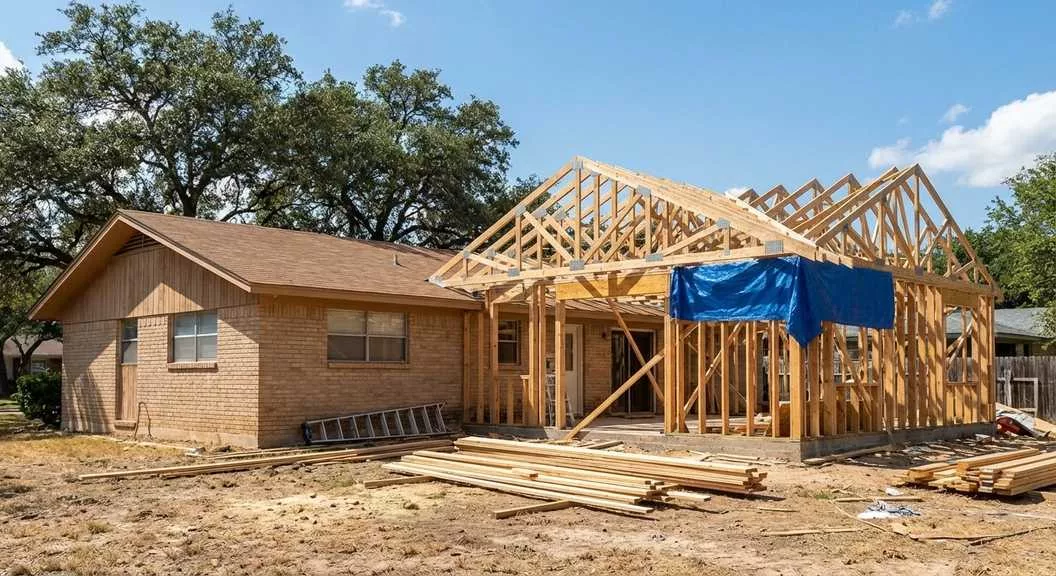
So here's the deal. If you're building space to expand something real, that's great. Just don't treat those framing decisions like afterthoughts. Every truss type should match your span requirements. Every design choice needs structural backup. And every building decision should be grounded in how the space will be used — not just how it looked in the rendering.
When Standard Trusses Fall Short
Nine times out of ten, prefab trusses won't cut it for Austin additions. You're tying into an existing structure, you're matching a specific pitch — that's custom work, not catalog ordering. The city doesn't care how many stock options your supplier carries, only whether your plans meet code and whether the load calculations check out.
But if that truss system gets value-engineered too far? Different story. Undersized members can fail inspection, especially if the design didn't account for Austin's wind zones or the weight of tile roofing. We saw this play out in real time with rushed additions. Plenty of homeowners thought approval was a guarantee — it wasn't. And when structural issues get flagged, the city expects to see revised plans unless you meet an exception like grandfathereded zoning.
The Truss Types That Actually Matter
You can't just pick a shape because it looks good — that's guessing. But the engineering? That's often where flexibility lives. Austin's building department generally lets you specify trusses based on span, ceiling height, and architectural intent.
Here's where that matters most:
- King Post: Used for tight spans or simple gables? The geometry works. Clean lines, minimal material waste.
- Fink Configuration: The workhorse is only practical on the footage you actually need — not the full footprint.
- Scissor Design: You can usually vault the ceiling and maintain structural integrity without adding beams.
- Attic Style: The city allows it, but the load treatment is standard. Usable space counts when designed for qualified occupancy.
- Mono Pitch: These aren't symmetrical, and the tie-in isn't always treated as a simple connection. Geometry matters here. If it reads like a lean-to against existing framing, the inspector may not treat it as independent structure at all.
Span Limits and Load Paths
Want to claim a clear span? You'll need to prove the truss was engineered — and that it was stamped to carry live and dead loads.
The city has three main checkpoints:
- You had a sealed design from a licensed engineer
- You specified materials that match the drawings
- You had a formal truss-to-wall connection, not just toenails or field adjustments
Fail one of those, and the inspection falls apart. Even if the lumber technically came from your supplier. And if any of the framing went toward non-conditioned space? That portion's off the table too. No partial approvals for your new storage shed, even if your addition shares a wall.
Austin Has Wind Zones and Some Additions Hit Them
If your property sits in a high-wind area or your roof pitch exceeds standard slopes, there's a ceiling on what you can span without additional bracing. City code kicks in and limits how much unsupported distance you can claim.
You'll need to file engineered plans and run the numbers to see how much gets through. Most single-story additions won't cross that threshold — but those that do need to be strategic. Especially if they're cantilevered or sitting on multiple bearing points.
Your Build Quality Is Only As Good As Your Documentation
Want to pass inspection? Show your work. You'll need more than a few lumber receipts to back up your install.
Here's what your documentation should include:
- The truss drawings, stamped and dated
- Installation guide showing bracing and connection details
- Delivery records from your truss manufacturer
- Evidence of what the design was engineered for — load calcs, wind ratings, etc.
If the inspector comes knocking, they won't just take your word for it. Mixing residential and accessory use is one of the fastest ways to lose an approval. So if that bonus room you framed with truss space is used for both guest stays and equipment storage, you'd better have a use classification on file.
Where Most Homeowners Slip Up
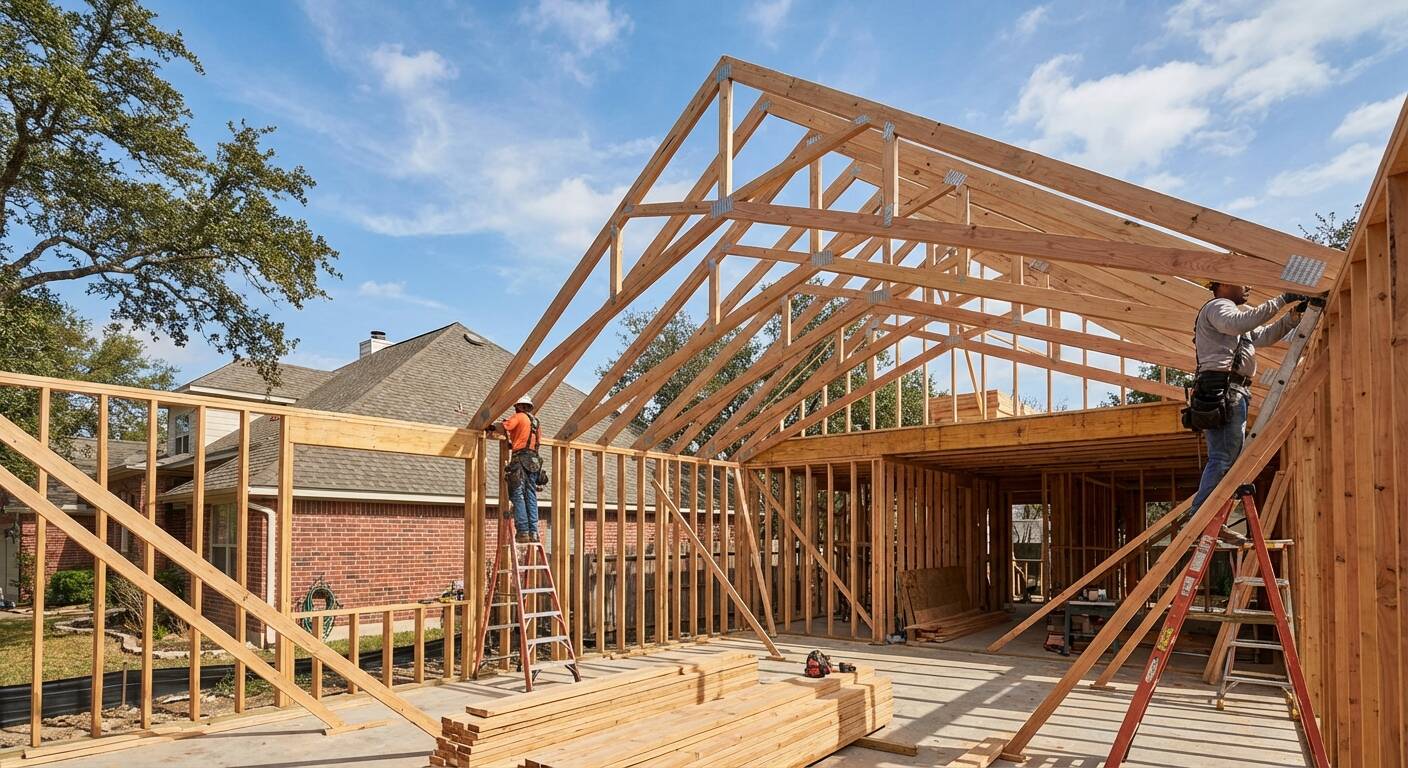
Trying to match your neighbor's roofline without checking pitch compatibility? The city won't find that clever. Sloppy truss selection can cost you real money or even raise red flags during framing inspection. Most homeowners play it safe by hiring a structural engineer or bringing in a pro — and plenty stay on track by following best practices for planning permitted additions.
Forgetting to Verify Manufacturer Specs
Don't wait until delivery day to confirm your trusses match the engineered plans. If dimensions are off, you're stuck reordering. If you overbuilt, you risk budget overruns across your project. Verify specs at order time. It's tedious. It works.
Screwing Up Tie-In Details
If your addition connects to an existing roof or shares a ridge beam, that's a red flag area. If you didn't engineer the connection — or just didn't install the right hardware — the city may treat it as unsafe. Reference the IRC and don't guess. That's what structural engineers are for.
When to Call In a Pro
If your addition includes multiple roof planes, complex valleys, or anything cantilevered, you're in territory where DIY gets risky.
An engineer helps you:
- Identify which truss types are code-compliant and which aren't
- Apply load limits correctly if you're spanning over openings
- Separate conditioned and unconditioned space cleanly
- Handle connection detailing for existing structures
- Keep the inspector off your back
It's not just about passing inspection this year. It's about setting up solid framing that keeps your addition standing strong and compliant for the long haul.
Building Moves With a Paper Trail
Selecting trusses isn't the hard part. Engineering them the right way — and defending how you installed them at inspection time — that's where projects get caught off guard. There's no excuse for sloppiness when the approvals are there for the taking. But there's also no forgiveness when you blow past the code. Working with an experienced truss company and understanding roof truss design can make all the difference in keeping your project on track and compliant.
Let’s Build Your Addition Right
When it comes to custom roof trusses for your Austin home addition, every detail matters—from engineering to installation. We’re here to help you avoid costly missteps and ensure your project stands the test of time. Let’s talk about your plans and get you the expert support you need. Call us at 407-431-4263 or get a quote to start your addition on solid ground.
‹ Back
Recent Posts
-
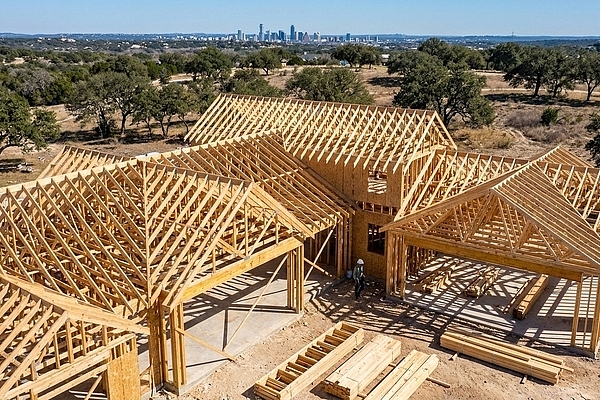
Roof Truss Layouts for Custom Homes in Austin
October 1, 2026
-
Are Roof Trusses in Houston Good for Modern Home Designs?
September 17, 2026
-
-
-