

By using our website, you agree to the use of cookies as described in our Cookie Policy
Roof Truss Design & Installation Mistakes Builders Avoid in Dallas–Fort Worth
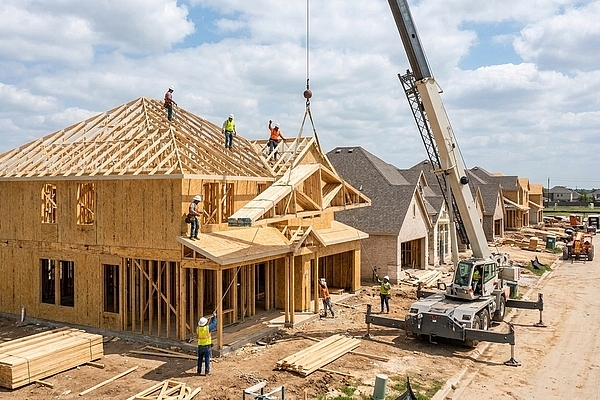
Most builders think trusses are just about holding up shingles. Stick them up, nail them down, move on. But the reality in Dallas–Fort Worth is a lot less forgiving. Between wind loads that spike during spring storms, thermal expansion from brutal summer heat, and code inspectors who've seen every shortcut in the book, truss work demands precision. One miscalculation or sloppy install can mean callbacks, structural failure, or worse—a project that never passes final inspection.
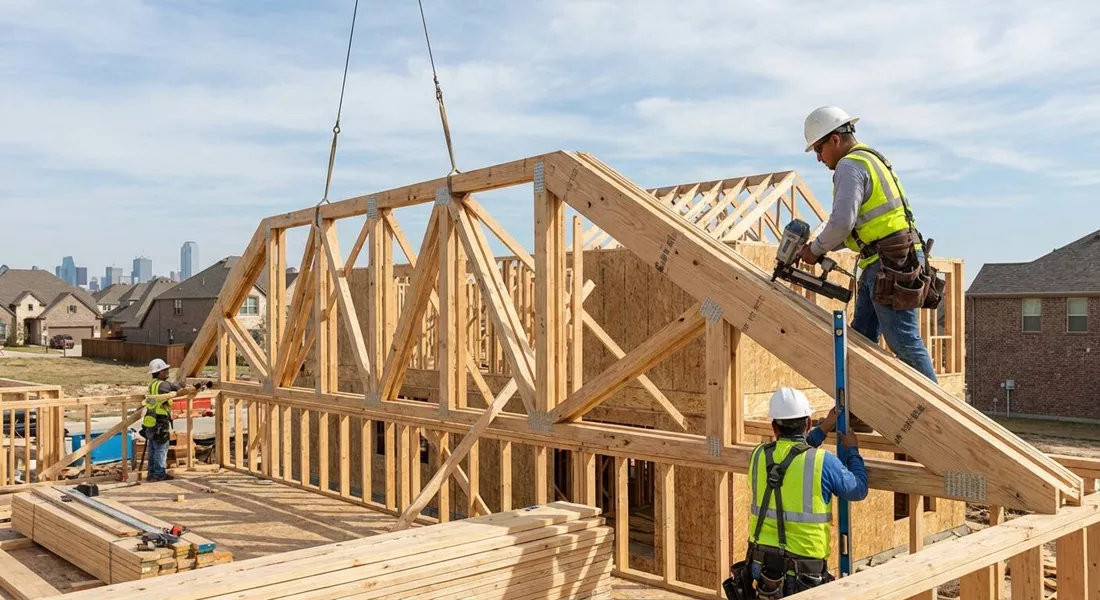
So here's what separates the pros from the pretenders. If you're framing in DFW, you're not just building to spec—you're building for conditions that test every joint, every connection, and every assumption you made on paper. The mistakes we're covering aren't theoretical. They're the ones that cost time, money, and reputation when they go wrong.
Load Math That Doesn't Match Reality
You can't eyeball structural loads and expect the roof to hold. Dead load, live load, wind uplift, point loads from HVAC units—every variable matters. In North Texas, wind events aren't rare. They're seasonal. And if your roof truss design didn't account for sustained gusts or the occasional microburst, you're gambling with the entire envelope.
Smart builders work with engineers who run the numbers before fabrication even starts. They factor in roof pitch, span, material weight, and environmental exposure. No assumptions. No rounding down to save a few bucks. The truss package either handles the load or it doesn't—and finding out after installation is too late.
Code Compliance Gets Treated Like a Suggestion
Dallas and Fort Worth don't share the same building departments, and even within the metroplex, jurisdictions have their own interpretations. What flies in Frisco might get red-tagged in Arlington. Builders who skip the homework end up with stop-work orders, reinspections, and change orders that eat into margins.
The pros stay current. They know which amendments apply, what wind zone they're in, and how fire ratings affect truss design in multi-family projects. They also know that inspectors remember repeat offenders. Clean installs get signed off faster. Sloppy ones get scrutinized.
Manufacturer Specs Get Lost in Translation
Prefab trusses arrive based on the plans you sent. If those plans were incomplete, outdated, or just plain wrong, the trusses won't fit. We've seen crews try to force mismatched trusses into place, only to discover that bearing points don't line up or that web configurations block ductwork.
Avoiding this means double-checking dimensions, confirming load paths, and making sure the truss layout reflects what's actually being built—not what was designed six months ago. It also means looping in the roof truss manufacturer early, especially when the roof design includes valleys, hips, or complex geometry.
Spacing and Placement Go Off the Rails
Trusses need to land where the engineer said they'd land. Shift them a few inches to make room for a vent stack or because the walls aren't perfectly square, and you've just changed the load distribution. That's not a field decision—that's a structural revision.
Experienced crews use string lines, laser levels, and layout marks that don't budge. They verify spacing before the first truss goes up and recheck as they go. If something's off, they stop and fix it. Trying to make it work on the fly is how you end up with sagging ridges and callbacks.
On-Site Modifications That Wreck the Engineering
Cutting a truss to fit around a beam or notching a chord because it's in the way might seem like problem-solving. It's not. It's sabotage. Every truss is engineered as a system, and altering any member without approval voids that design.
If a conflict comes up during installation, the right move is to stop and consult the engineer or manufacturer. They'll either approve a fix or redesign the affected truss. What they won't do is sign off on field modifications that compromise the structure. And neither will the inspector.
Bracing That's Missing or Inadequate
Temporary bracing keeps trusses stable during installation. Permanent bracing keeps them stable for the life of the building. Skip either one, and you're inviting lateral movement, racking, or outright collapse. DFW wind conditions make this non-negotiable.
Here's what proper bracing includes:
- Lateral bracing along the top and bottom chords
- Diagonal bracing to resist racking
- Web bracing where specified by the manufacturer
- Permanent bracing installed per the truss design drawings
- Temporary bracing left in place until sheathing and permanent bracing are complete
Connections That Don't Meet the Standard
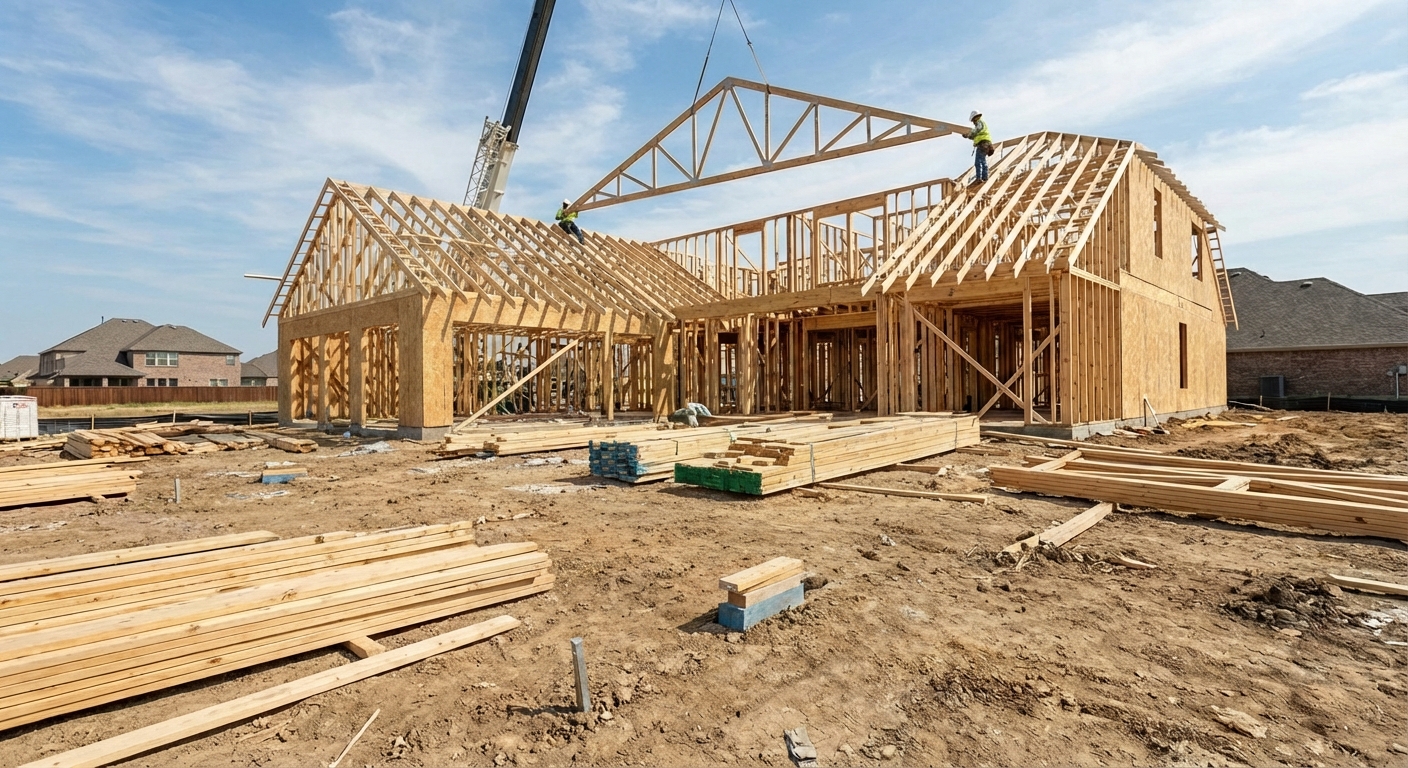
Trusses transfer loads through their connections. If those connections are weak, undersized, or installed incorrectly, the whole system is compromised. This means using the right fasteners, the right spacing, and the right installation method—every time.
Common connection mistakes include:
- Using nails instead of structural screws where required
- Overdriving fasteners and crushing the wood
- Missing fasteners at critical bearing points
- Skipping hurricane ties or hold-downs in high-wind zones
- Failing to align truss plates with the bearing surface
Future Modifications Nobody Planned For
Homeowners add solar panels. Business owners install new HVAC units. Renovations happen. If the truss system wasn't designed with future loads in mind, those changes can overstress the structure or require expensive reinforcement.
Forward-thinking builders coordinate with engineers to build in capacity for common upgrades. They also document the truss layout and load limits so future contractors know what the roof can handle. It's not about overbuilding—it's about building smart.
What Happens When You Skip the Details
Truss failures don't always announce themselves with a dramatic collapse. Sometimes it's a slow sag. A crack that spreads. A roof that just doesn't feel right. By the time the problem is obvious, the fix is expensive and disruptive.
Here's what goes wrong when the details get ignored:
- Structural deflection that damages finishes and creates leaks
- Failed inspections that delay occupancy and cost money
- Liability exposure if the roof doesn't perform as designed
- Callbacks and warranty claims that eat into profit
- Reputation damage that costs future projects
Documentation That Backs Up the Work
When the inspector shows up, they're not just looking at the trusses. They're checking the paperwork. That means truss design drawings, engineer stamps, manufacturer certifications, and installation records. Missing any of those, and the job stalls.
Smart builders keep a complete file that includes:
- Sealed truss design drawings from the engineer
- Manufacturer's installation instructions and bracing details
- Delivery receipts showing truss quantities and specifications
- Photos documenting bracing, connections, and bearing conditions
- Inspection reports and sign-offs at each stage
Why DFW Builders Get It Right
The builders who thrive in Dallas–Fort Worth don't treat trusses like an afterthought. They plan ahead, communicate clearly, and execute with precision. They know that cutting corners on truss work doesn't save time—it creates problems that cost more to fix than they would have to prevent.
They also know that the best truss install is the one nobody notices. No callbacks. No failures. Just a roof that does its job, year after year, through every storm and every season. That's the standard in DFW, and it's the standard that separates the pros from everyone else.
Building With Confidence
Roof trusses aren't glamorous. They don't show up in marketing photos or win design awards. But they're the backbone of every structure, and getting them right is what keeps buildings standing. In a market as competitive and demanding as Dallas–Fort Worth, there's no room for guesswork. The builders who succeed are the ones who respect the engineering, follow the process, and deliver work that holds up—literally and figuratively. If you're framing in DFW, that's the bar. Meet it or get left behind.
Let’s Raise the Bar Together
When it comes to roof truss design and installation in Dallas–Fort Worth, we know the stakes are high and the margin for error is slim. Let’s make sure your next project stands strong against whatever North Texas throws at it. If you’re ready to work with a team that sweats the details and delivers every time, call us at 407-431-4263 or get a quote and let’s build something that lasts.
‹ Back
Recent Posts
-
Roof Truss Layouts for Custom Homes in Austin
October 1, 2026
-
Are Roof Trusses in Houston Good for Modern Home Designs?
September 17, 2026
-
-
-