


By using our website, you agree to the use of cookies as described in our Cookie Policy
When Should Builders Order Roof Trusses in Dallas-Fort Worth?
Most builders think roof trusses are just another line item on the schedule. Order them, they show up, you install. But in DFW, where weather shifts without warning and demand runs hot year-round, that mindset gets expensive fast. Trusses aren't off-the-shelf lumber. They're engineered to spec, manufactured to order, and delivered on a timeline that can stretch or snap depending on how early you move.
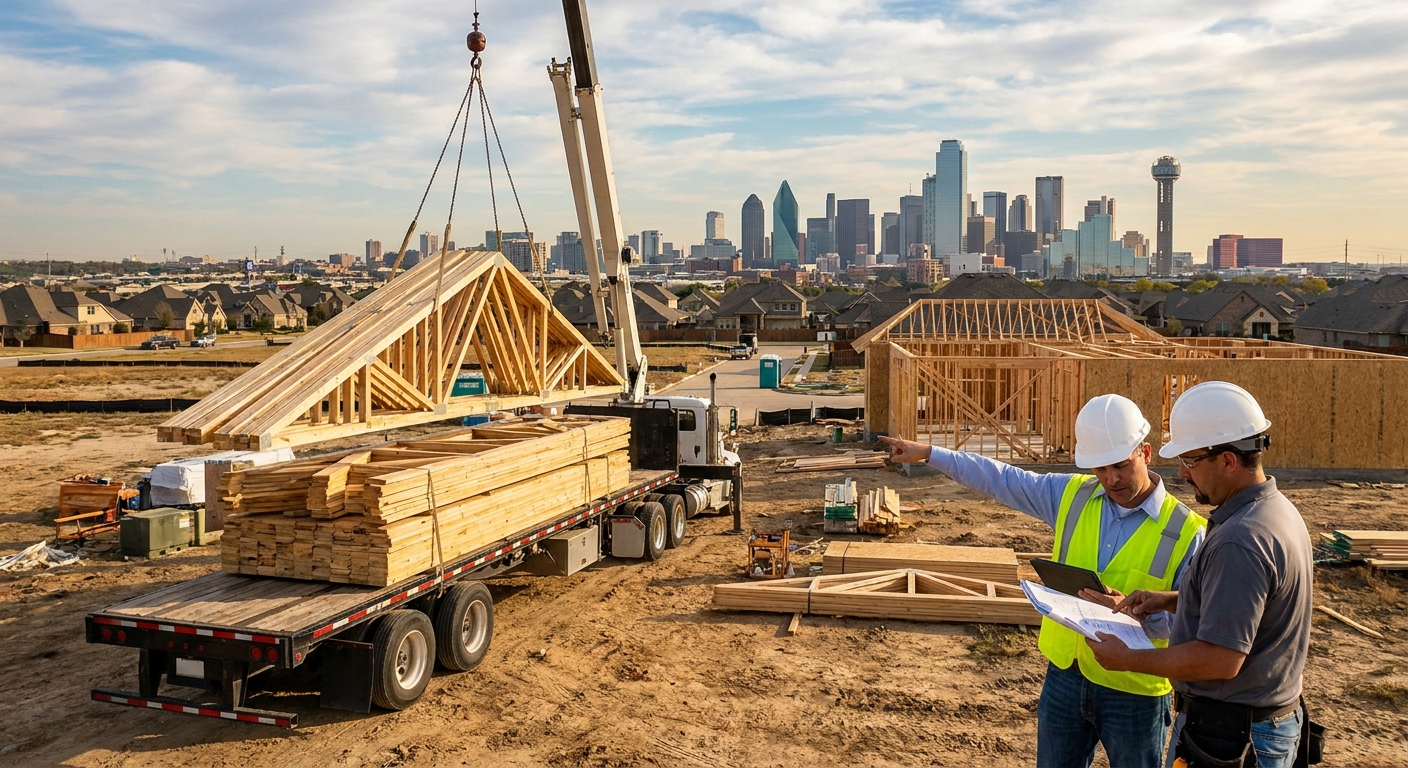
So here's the reality. If you're running a tight schedule and expect trusses to magically arrive when you're ready, you're setting yourself up for delays. Every project has lead time. Every supplier has capacity limits. And every week you wait to place the order is a week you might not get back when the site's ready and the crew's standing around.
Lead Time Is Longer Than You Think
In Dallas-Fort Worth, truss lead times aren't static. They shift based on season, supplier backlog, and design complexity. Spring and summer? Expect longer waits. Everyone's building. Custom designs with complex load calculations? Add more time. Standard residential truss packages might take four weeks. Commercial projects with engineered specs can push eight weeks or longer before the first truck rolls up.
And that's assuming nothing changes. If your architect tweaks the roofline or the engineer adjusts the span after you've already ordered, you're back to square one. Re-engineering takes time. Manufacturing restarts. Delivery gets pushed. That's why locking down plans before you pull the trigger isn't optional—it's the only way to avoid burning weeks you don't have.
When the Site Dictates the Order
You can't order trusses based solely on when you want them. You order based on when the site will actually be ready to receive them. That means foundation poured, walls framed, and a crew scheduled to install. Trusses sitting on-site for weeks waiting on other trades is a liability. Weather can warp them. Site traffic can damage them. Theft happens.
We've seen builders order early thinking they're getting ahead, only to scramble for storage or deal with ruined materials because the foundation crew hit delays. The sweet spot is ordering far enough out to meet lead time, but close enough that delivery aligns with installation. That window is tight, and it requires coordination across every trade on the job.
What Builders Need to Lock In First
- Finalized architectural plans with no pending revisions
- Approved engineering drawings and truss layout
- Confirmed foundation and wall framing schedule
- A realistic installation date based on current site progress
- Supplier confirmation of lead time and delivery capacity
Seasonal Demand Hits Hard
DFW construction doesn't slow down much, but it does spike. Spring kicks off the busiest season, and by late April, every truss manufacturer in the region is running at capacity. If you're ordering in May for a June install, you might already be too late. Suppliers book out weeks in advance, and once their schedule fills, you're waiting—or paying premium rates for expedited service.
Fall and winter offer slightly better availability, but weather becomes the wildcard. A surprise ice storm can halt deliveries. A stretch of rain delays framing and pushes your truss install back. Smart builders account for these variables by ordering earlier than they think they need to, especially during high-demand months.
Common Mistakes That Cost Time
- Waiting until walls are up to place the order—by then, you've already lost weeks
- Ordering without final engineering approval and having to reorder when specs change
- Assuming all suppliers have the same lead time—some are faster, some are slammed
- Skipping the site prep and having no place to unload or stage trusses when they arrive
- Ignoring weather forecasts and scheduling delivery during a storm window
How to Coordinate Delivery Without Chaos
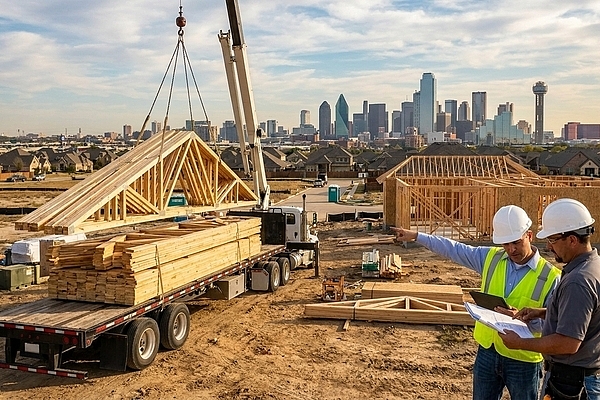
Truss delivery isn't just about the date. It's about site access, equipment, and crew availability. A semi-truck with a crane needs space to maneuver. Your framing crew needs to be ready to offload and install immediately. If the site's not clear or the crew's on another job, delivery becomes a logistical nightmare.
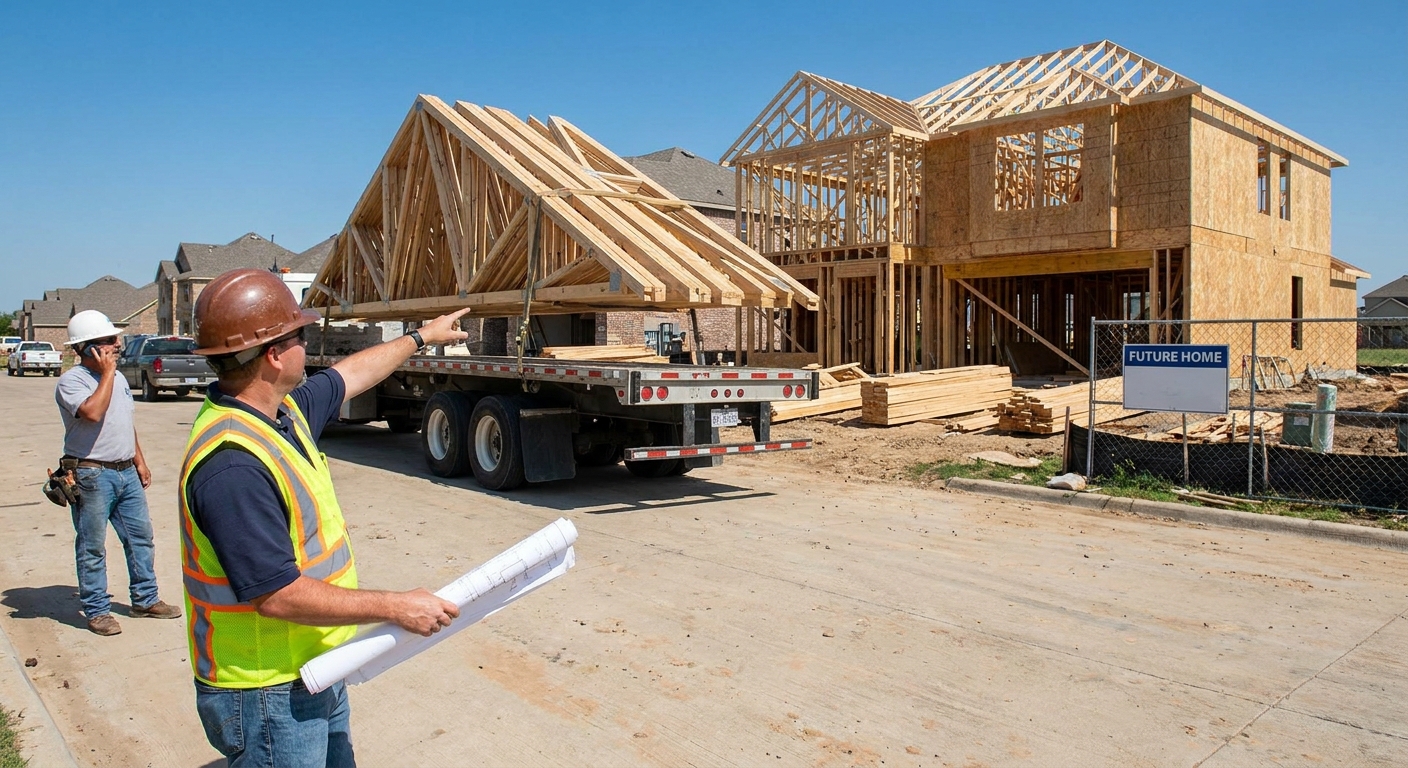
The best approach is to schedule delivery for the day your framers are set to install—or the day before if site conditions allow safe overnight storage. For builders managing complex timelines, understanding roof truss delivery for new construction is critical to avoiding costly delays. Confirm with your supplier at least a week out, and reconfirm 48 hours before. If something shifts on-site, reschedule the delivery. Most suppliers will work with you if you give them notice. Wait until the truck's already en route, and you've got a problem.
What Happens When You Order Too Late
- Framing crews sit idle waiting for trusses, costing you labor and schedule time
- Other trades get delayed because the roof can't go on, cascading through the rest of the build
- You lose your spot in the supplier's queue and get pushed even further back
- Rush orders come with upcharges that eat into your margin
- Weather windows close, and you're stuck waiting for the next safe install period
Why Some Builders Get It Right
The builders who never scramble for trusses are the ones who treat the order like a milestone, not an afterthought. They engage suppliers during preconstruction. They lock in plans early. They build buffer time into their schedules and communicate constantly with manufacturers about lead times and capacity.
They also understand that in DFW, you're competing with hundreds of other projects for the same resources. Many of these builders recognize why pre-fabricated trusses have become the standard for efficiency and reliability. Ordering early isn't paranoia—it's strategy. And when the site's ready and the trusses roll in on time, everything else falls into place. No delays. No upcharges. No scrambling.
Planning Around the Unpredictable
- Build in two weeks of schedule buffer between truss delivery and your hard deadline
- Monitor weather forecasts and be ready to adjust delivery dates if storms are inbound
- Keep backup suppliers in your network in case your primary manufacturer hits capacity
- Confirm site readiness with your framing foreman before finalizing delivery
- Document every step of the order process so there's no confusion about specs or timing
The Real Cost of Cutting It Close
Missing a truss delivery window doesn't just delay your roof. It delays inspections, drywall, mechanical rough-in, and everything downstream. You lose momentum. Crews move to other jobs. Lenders start asking questions. And every day the project sits open to weather, you're rolling the dice on damage.
We've worked with builders who thought they could shave time by ordering late, only to watch their entire schedule unravel when the trusses didn't show. The cost wasn't just the truss order—it was the compounding delays across every trade. That's the risk you take when you treat timing like a suggestion instead of a requirement.
Getting Ahead Means Moving Early
In Dallas-Fort Worth, the builders who stay on schedule are the ones who order roof trusses the moment plans are locked and site progress is confirmed. They don't wait for walls to finish. They don't gamble on short lead times. They plan for the reality of a competitive, weather-dependent market and act accordingly. Trusses aren't the bottleneck if you order them right. But if you wait too long, they will be.
Let’s Build Without Delays
Staying ahead in Dallas-Fort Worth construction means making smart moves early—especially when it comes to roof trusses. We know how critical timing is, and we’re here to help you keep your project on track from the first call to final delivery. Let’s work together to avoid costly holdups and keep your build moving forward. Reach out to us at 407-431-4263 or get a quote today and see how we can make your next project smoother from start to finish.
‹ Back
Recent Posts
-
Custom Roof Trusses for Dallas-Fort Worth Apartment Projects
November 26, 2026
-
Roof Trusses in Dallas-Fort Worth for Complex Home Designs
November 12, 2026
-
When Should Builders Order Roof Trusses in Dallas-Fort Worth?
October 29, 2026
-
-
Roof Truss Layouts for Custom Homes in Austin
October 1, 2026